

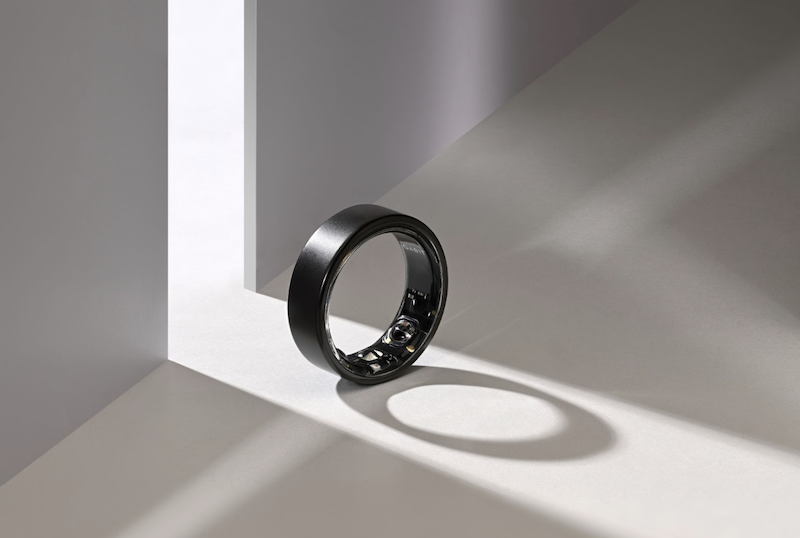
A wearable device called Gabit smart ring is positioning itself at the intersection of consumer health technology and personalized wellness, as interest in biometric tracking continues to expand beyond basic fitness metrics.
Developed by Gabit, the ring is designed to monitor physiological signals such as body temperature, sleep quality, and recovery patterns, translating this data into insights tailored to women’s health.
Expanding the scope of wearable health tracking
Wearable devices have traditionally focused on step counts, heart rate, and general fitness. However, a growing segment of the market is now targeting more complex biological patterns, particularly those linked to hormonal cycles.
According to the company, the Gabit ring aims to provide users with a deeper understanding of how factors such as energy levels, mood, and recovery fluctuate over time, particularly across the menstrual cycle.
This reflects a broader shift in the wearable technology sector toward more personalized and context-aware health insights, rather than one-size-fits-all tracking.
Focus on cycle awareness and recovery
The device is designed to support several areas of women’s health, including cycle tracking, performance optimization, and menopause-related monitoring.
By collecting continuous biometric data, the system attempts to identify patterns that may help users adjust daily routines – such as exercise intensity, sleep habits, or stress management – in response to physiological changes.
In particular, the emphasis on recovery and sleep aligns with wider trends in health technology, where rest and resilience are increasingly viewed as central to overall wellbeing.
From data to guidance
One of the key challenges for wearable technology has been translating raw data into meaningful recommendations. Gabit says its platform focuses on converting biometric signals into actionable guidance, helping users interpret trends rather than simply presenting metrics.
This approach is becoming more common across the sector, as companies seek to differentiate themselves through software and analytics rather than hardware alone.
Growing market for specialized wearables
Smart rings represent a fast-growing category within wearable technology, offering a more discreet alternative to wrist-based devices. Their ability to provide continuous monitoring without interrupting daily activities has made them particularly appealing for sleep and recovery tracking.
The launch of devices focused specifically on women’s health highlights an emerging market segment, as developers look to address gaps in traditional health tracking tools.
Early-stage positioning
As with many consumer health technologies, the effectiveness of such devices depends on the accuracy of sensors and the quality of interpretation provided. While interest in personalized health tracking is rising, the long-term clinical value of these tools remains an area of ongoing development.
Nevertheless, products like the Gabit ring point to a broader evolution in wearable technology – one that moves beyond general fitness toward more individualized, biology-driven insights.